Hallmarks of Ageing: The 12 Processes That Help Explain Why We Age
08.04.2026
If you spend any time reading about longevity, one phrase comes up again and again: the hallmarks of ageing. That is because they offer one of the clearest frameworks for understanding what ageing actually is at a biological level. Instead of treating ageing as one single process, the hallmarks model breaks it down into a set of recurring patterns seen across cells, tissues, and organ systems. The original 2013 paper proposed nine hallmarks of aging, and a major 2023 update expanded that list to twelve

This matters because longevity is not just about living longer. It is about understanding the processes that gradually reduce resilience, increase disease risk, and widen the gap between lifespan and healthspan.
A 2024 global analysis estimated that the average healthspan-lifespan gap had widened to about 9.6 years, meaning many people are living longer but spending more of those added years in poorer health.
What are the hallmarks of ageing? A quick answer
The hallmarks of ageing are a scientific framework used to describe the major biological processes that drive ageing. They are not a simple checklist or a diagnosis. They are a way of organising a very complex subject into a smaller number of recurring mechanisms that researchers can study more clearly.
The 12 hallmarks of ageing
According to the 2023 update, the twelve hallmarks are: genomic instability, telomere attrition, epigenetic alterations, loss of proteostasis, disabled macroautophagy, deregulated nutrient-sensing, mitochondrial dysfunction, cellular senescence, stem cell exhaustion, altered intercellular communication, chronic inflammation, and dysbiosis.
Here is what those mean in simple English.
1. Genomic instability
Over time, DNA accumulates damage. Cells have repair systems, but those systems are not perfect. As damage builds up, cells can function less efficiently or behave abnormally.
2. Telomere attrition
Telomeres are protective caps at the ends of chromosomes. They tend to shorten with repeated cell division and other stresses, and that shortening is linked to cellular ageing.
3. Epigenetic alterations
Ageing does not only affect DNA itself. It also affects how genes are switched on and off. These epigenetic changes can gradually alter how cells behave, even if the underlying DNA sequence stays the same.
4. Loss of proteostasis
Cells need to keep proteins correctly folded, repaired, and cleared away when damaged. With age, that quality-control system becomes less effective, allowing faulty proteins to accumulate.
5. Disabled macroautophagy
Autophagy is one of the body’s cellular recycling systems. The updated hallmarks paper specifically added disabled macroautophagy as a hallmark, reflecting the growing evidence that reduced cellular clean-up is a major part of ageing biology.
6. Deregulated nutrient-sensing
Cells constantly monitor energy and nutrient availability through pathways linked to growth, repair, and survival. With age, these sensing systems can become less well regulated, affecting metabolism and resilience.
7. Mitochondrial dysfunction
Mitochondria help cells produce usable energy. As mitochondrial function declines, energy production becomes less efficient and cellular stress tends to rise.
8. Cellular senescence
Some damaged cells stop dividing but do not die. These so-called senescent cells can accumulate over time and contribute to tissue dysfunction and inflammatory signalling.
9. Stem cell exhaustion
Stem cells help maintain and repair tissues. With age, stem cell reserves and function decline, reducing the body’s ability to regenerate.
10. Altered intercellular communication
Ageing affects how cells signal to each other. Hormonal, immune, inflammatory, and tissue-level communication can all become less balanced over time.
11. Chronic inflammation
Low-grade chronic inflammation, often called inflammaging, is now recognised as one of the added hallmarks. It both reflects and worsens many other ageing processes.
12. Dysbiosis
The updated model also added dysbiosis, meaning harmful shifts in the balance of the microbiome. This reflects growing evidence that the gut and wider microbial environment interact with immunity, inflammation, and ageing biology.

Why the hallmarks matter
The hallmarks model is useful because it shows that ageing is not caused by one single thing. It emerges from many interacting processes that reinforce each other over time. A 2024 review concluded that the hallmarks framework has become a broad conceptual structure not only for ageing research itself, but also for related areas of biology and medicine.
The hallmarks are part of the answer, but ‘longevity’ is really the big-picture question – as described in our article on What Is Longevity.
Hallmarks of ageing, biological age, and healthy ageing
One reason the hallmarks framework has become so popular is that it helps explain the difference between simply getting older in years and ageing biologically.
Two people can be the same chronological age, but have very different biological profiles depending on lifestyle, environment, disease burden, and underlying resilience. The hallmarks help explain why that can happen. They connect visible ageing, tissue decline, and disease risk back to deeper biological systems.
What this means in practice
The hallmarks of ageing do not mean there is one magic habit or one perfect supplement that “solves” ageing.
What they do suggest is that healthy ageing depends on supporting multiple systems over time. In practice, that usually brings the conversation back to familiar foundations:
- Regular physical activity
- High-quality sleep
- Metabolic health
- Balanced nutrition
- Stress management
- Avoiding smoking and excessive alcohol
- Long-term consistency
That broader view also matches the style of the other Manapura longevity pieces you attached, where the science is explained first and lifestyle remains the core context, with products positioned as supporting tools rather than replacements for fundamentals.
Supporting longevity with lifestyle and nutrition
Some nutrients and compounds are often discussed in relation to ageing pathways, particularly where topics such as NAD+ metabolism, autophagy, and mitochondrial function come up. But it is best to view them as part of a wider healthy-ageing conversation, not as shortcuts.
For example, to go deeper into one specific hallmark-related pathway, the clearest next step is our more focused article on Autophagy or Mitophagy, and our When Does Autophagy Start blog.
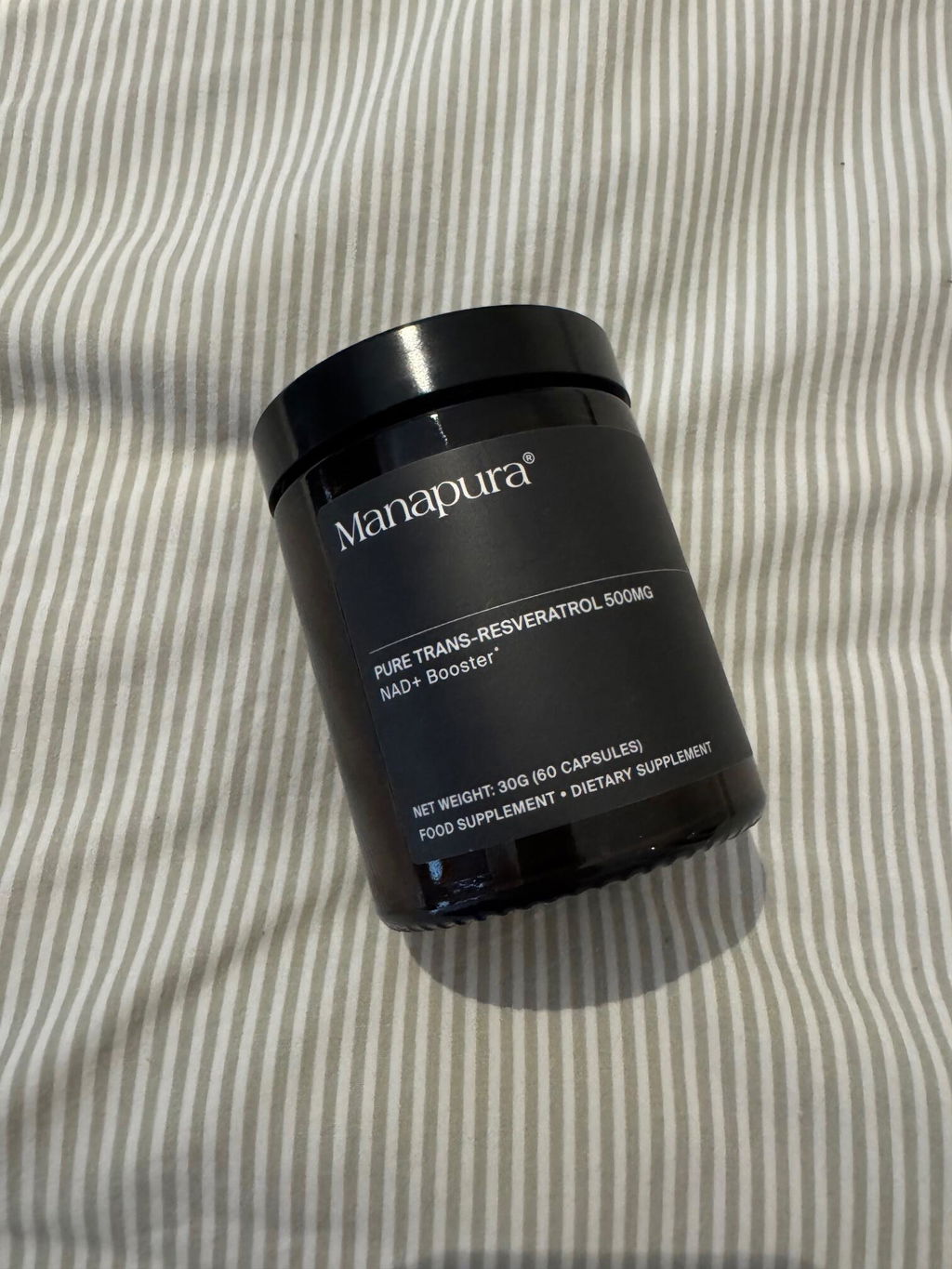
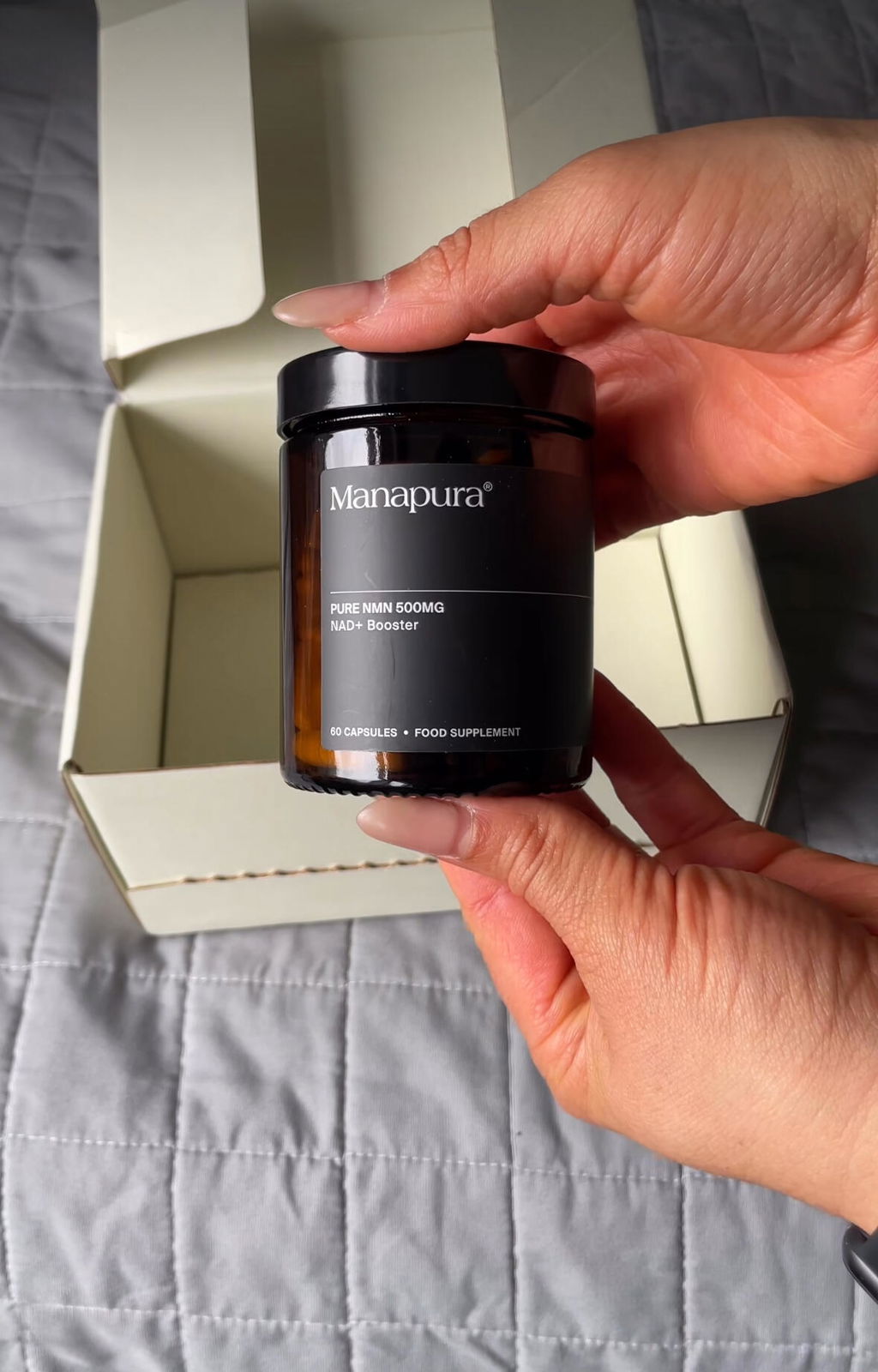
Some of the best-known compounds discussed in this area include NMN, which is often explored in relation to NAD+ metabolism and cellular energy, and Spermidine, which is commonly discussed in connection with autophagy and cellular renewal.
These are best understood as part of the broader longevity conversation rather than standalone answers, but they are useful examples of how specific nutrients can sit alongside lifestyle, diet, and recovery when talking about healthy ageing.

Final Thoughts
The hallmarks of ageing matter because they turn a vague idea — “ageing” — into a more structured scientific question.
They do not reduce ageing to one pathway, one test, or one intervention. Instead, they show that ageing is a network problem: many systems gradually becoming less stable, less efficient, and less resilient over time. That is exactly why the hallmarks framework has become so central to modern longevity science.
For readers trying to understand longevity in practical terms, this is one of the most useful concepts to grasp. Before talking about supplements, routines, or biohacks, it helps to understand the underlying processes those conversations are trying to influence.
Frequently Asked Questions
- How many hallmarks of ageing are there?
The original 2013 paper proposed nine hallmarks. The 2023 update expanded that to twelve.
- Are the hallmarks of ageing proven causes of ageing?
They are best understood as a scientific framework for the main biological processes that drive ageing. They are highly influential in research, but ageing biology is still evolving and not every detail is fully settled.
- What were the three new hallmarks added in the update?
The 2023 update added disabled macroautophagy, chronic inflammation, and dysbiosis.
- Are the hallmarks of ageing the same as biological age?
No. Biological age is more about how “aged” a person’s body appears to be functionally or molecularly. The hallmarks are the underlying biological processes that help explain why biological age may diverge from chronological age.
References
López-Otín, C. et al. (2013).
The hallmarks of aging.
https://pubmed.ncbi.nlm.nih.gov/23746838/
López-Otín, C. et al. (2023).
Hallmarks of aging: An expanding universe.
https://pubmed.ncbi.nlm.nih.gov/36599349/
Tartiere, A. G. et al. (2024).
The hallmarks of aging as a conceptual framework for health and longevity research.
https://pubmed.ncbi.nlm.nih.gov/38292053/
Baechle, J. J. et al. (2023).
Chronic inflammation and the hallmarks of aging.
https://pubmed.ncbi.nlm.nih.gov/37329949/
Garmany, A. et al. (2024).
Global healthspan-lifespan gaps among 183 World Health Organization member states.
https://pubmed.ncbi.nlm.nih.gov/39661386/
Disclaimer: This article is for general information and educational purposes only and is not medical advice. Manapura products are food supplements, not medicines, and should not be used to diagnose, treat, cure, or prevent any disease. Anyone considering supplements should take individual circumstances, medications, and professional medical advice into account.