NMN in the UK: Regulatory Status, FSA Guidance, and What It Means for Consumers
11.05.2026
This article explains the current UK regulatory position on NMN, including guidance from the Food Standards Agency (FSA), how this differs from the United States and EU, and what this means for consumers.

The aim of this article is not to take a commercially driven, defensive position, but simply to provide clear, factual, and transparent context around a rapidly evolving area of longevity science and regulation.
Interest in NMN (nicotinamide mononucleotide) has grown rapidly in recent years, driven by increasing awareness of NAD⁺ biology, cellular ageing, and longevity science. As a result, many consumers in the UK are now asking practical questions such as:
As a result, many consumers in the UK are now asking practical questions such as:
- Is NMN legal in the UK?
- Has NMN been approved by the FDA?
- What is the UK FSA position on NMN?
- Can consumers still buy NMN in the UK?
What Is NMN?
NMN (nicotinamide mononucleotide) is a naturally occurring molecule and a direct precursor to NAD⁺ (nicotinamide adenine dinucleotide), a coenzyme involved in:
- Cellular energy production
- DNA repair
- Mitochondrial function
- Metabolic regulation
Because NAD⁺ levels decline with age, NMN has become an important area of scientific research within longevity and healthy ageing.
For a broader explanation of how NMN fits into ageing biology, see our What Is Longevity guide.
The UK Regulatory Position on NMN
In the UK, food supplements are regulated under food law, and certain compounds may fall under the category of ‘Novel Foods’.
A Novel Food is generally defined as a food or ingredient that was not widely consumed in the UK or EU before May 1997. Such ingredients require authorisation before they can be legally marketed as food supplements.
The UK Food Standards Agency (FSA) maintains guidance and registers relating to regulated products and Novel Foods through its FSA regulated products register.
Is NMN Approved as a Novel Food in the UK?
As of now, NMN is generally considered to fall within the scope of Novel Food regulation in the UK.
This means:
- NMN has not yet received broad Novel Food authorisation in the UK
- Businesses are expected to consider Novel Food compliance requirements
- Regulatory review and interpretation remain active areas of development
Importantly, this should be understood as an evolving regulatory position rather than a fixed or final determination.
Novel Food processes are common for emerging nutritional compounds, particularly within newer areas of longevity science.
Why NMN Has Been Flagged in the EU (RASFF Context)
Some UK consumers may also have seen references to NMN within EU regulatory systems.
The Rapid Alert System for Food and Feed has published notifications relating to NMN products sold within parts of the EU that were considered unauthorised Novel Foods.
This reflects:
- EU Novel Food enforcement processes
- The requirement for pre-market authorisation
- Ongoing regulatory review of NMN as a food ingredient
However, it is important to understand that:
- RASFF is an EU system
- The UK now operates independently post-Brexit
- UK enforcement and interpretation are not always identical to EU member states
This distinction is important when discussing NMN regulation online, as information from different regions is often conflated.

The United States Position on NMN
The regulatory discussion around NMN is not limited to Europe.
In the United States, NMN has historically been sold as a dietary supplement and has been widely available for several years. However, its regulatory position became more complex after discussions involving potential pharmaceutical investigation pathways.
This led to significant public discussion around whether NMN could continue to be marketed as a dietary supplement under FDA interpretation.
More recently, broader industry attention has focused on ongoing scientific and commercial developments involving NMN in the US market, including continued discussion around future supplement status and commercial availability.
For consumers, the important point is that:
- The FDA and UK FSA operate under entirely different regulatory systems
- Regulatory interpretation continues to evolve internationally
- Headlines often oversimplify complex regulatory discussions
Manapura previously explored this wider context in the USA in detail in our article on FDA and NMN developments.
What This Means for UK Consumers
For UK consumers, the current position can be summarised relatively simply:
- NMN is an active area of scientific and regulatory interest
- It is generally treated within the scope of Novel Food regulation
- Regulatory interpretation continues to develop
- Consumers should remain informed about evolving guidance
This is not unusual for emerging compounds in nutrition science. Many ingredients commonly used today were previously subject to evolving authorisation and regulatory review before wider acceptance.
Manapura’s Approach
At Manapura, we take a science-first and compliance-aware approach to longevity supplements and education.
This approach involves:
- Monitoring regulatory developments closely
- Providing transparent information to customers, including labelling
- Supporting evidence-led discussion
- Avoiding exaggerated or misleading claims
Our focus remains on:
- Product quality
- Scientific transparency
- Batch testing and batch traceability
- Supporting informed consumer understanding
Why Regulatory Clarity Matters in Longevity Science
Longevity science is advancing rapidly, often faster than regulatory systems can adapt.
As new compounds are researched and introduced, regulatory frameworks naturally evolve alongside the science.
Consumers benefit most when:
- Information is transparent
- Scientific evidence is discussed responsibly
- Regulatory context is clearly explained
- Claims remain realistic and evidence-based
This is particularly important in fields such as:
- NAD⁺ biology
- Healthy ageing
- Cellular health
- Longevity supplementation

Final Thoughts
NMN sits at the intersection of cutting-edge longevity science and evolving regulation.
In the UK, it is currently treated within the framework of Novel Food legislation, meaning its regulatory status remains under active review rather than fully settled.
For consumers, the key takeaway is not confusion, but awareness. Understanding how supplements are regulated helps support more informed decision-making in a field that is developing quickly and attracting growing public attention.
As longevity science continues to evolve, regulatory clarity will likely continue evolving alongside it.
Frequently Asked Questions
-
Is NMN legal in the UK?
NMN is currently considered within the scope of UK Novel Food regulation, meaning its regulatory status remains under active review rather than fully established.
-
What is the UK FSA position on NMN?
The UK Food Standards Agency generally considers NMN to fall under Novel Food regulation, which means authorisation may be required before broad food supplement marketing.
-
Can consumers still buy NMN in the UK?
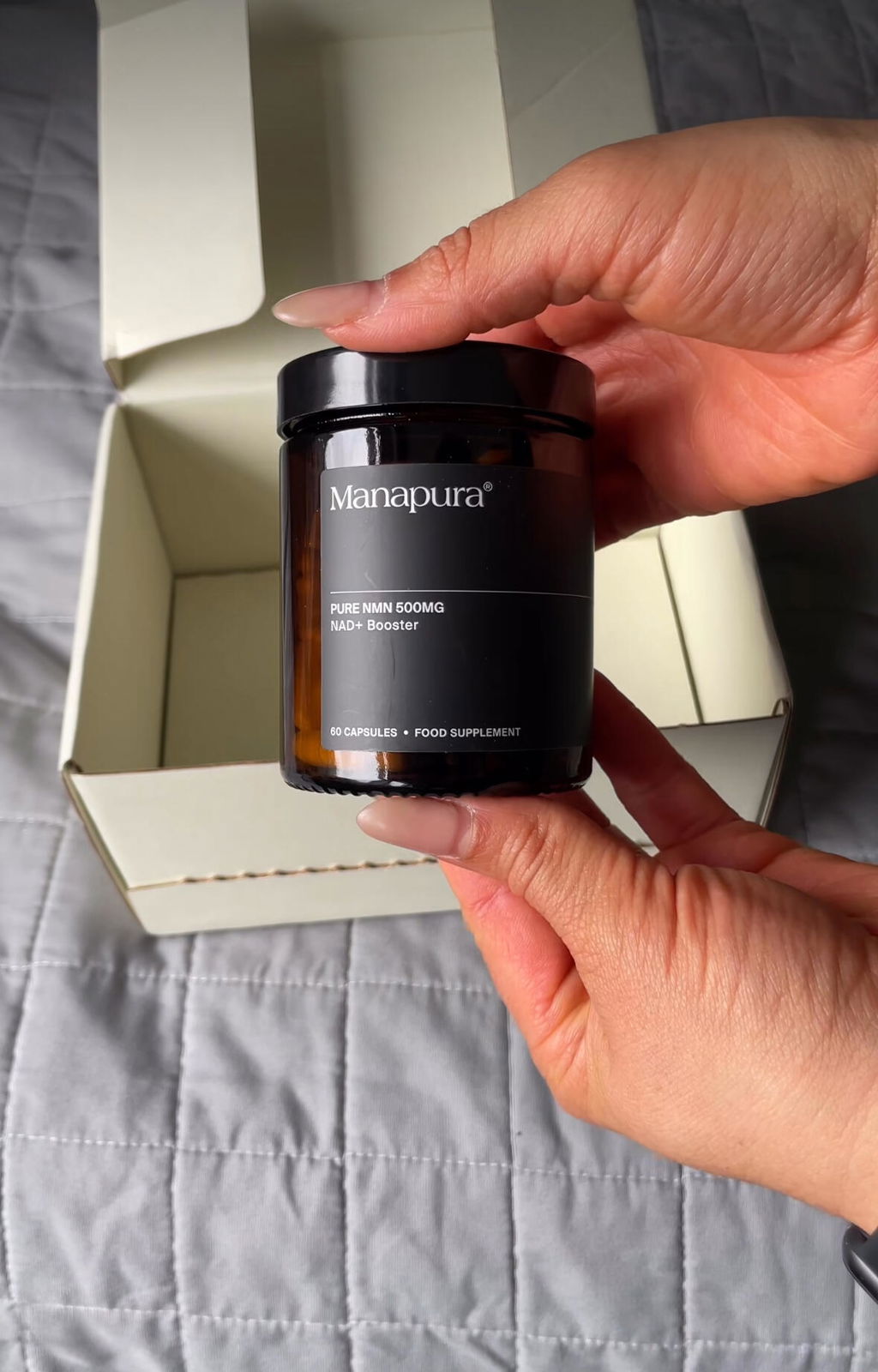
NMN products remain widely discussed and available through various channels, although the broader regulatory position continues to evolve.
-
Is NMN approved by the FDA?
The FDA position on NMN has been subject to ongoing discussion and regulatory interpretation within the United States, particularly regarding supplement versus pharmaceutical pathways.
-
Why is NMN considered a Novel Food?
NMN is generally considered a Novel Food because it was not widely consumed as a food ingredient in the UK or EU before May 1997.
-
What does NAD⁺ do in the body?
NAD⁺ plays an important role in cellular energy production, mitochondrial function, and DNA repair processes.
-
Is NMN linked to longevity research?
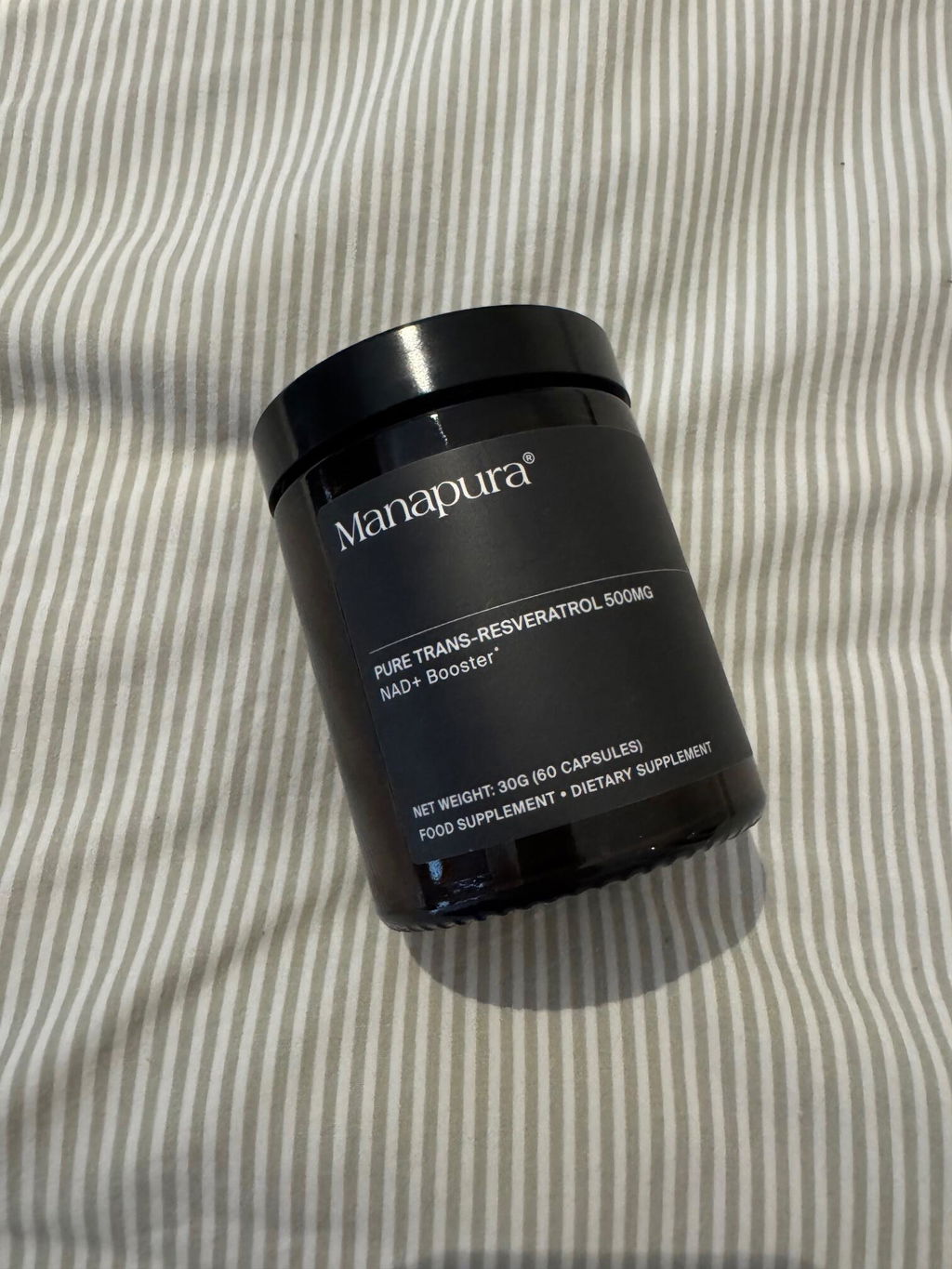
Yes. Supplements such as NMN and Trans-Resveratrol are widely researched in longevity science because of their role as a precursor to NAD⁺ and/or effect on key longevity proteins (called Sirtuins), which declines naturally with age.
References
Food Standards Agency (FSA).
Regulated products guidance and register.
https://www.food.gov.uk/business-guidance/regulated-products
European Commission – RASFF Portal.
Rapid Alert System for Food and Feed.
https://food.ec.europa.eu/safety/rasff_en
U.S. Food & Drug Administration (FDA).
Dietary Supplement and Ingredient Regulatory Information.
https://www.fda.gov/food/dietary-supplements
Manapura.
News: FDA Approves NMN Supplement? Global Longevity Update.
https://manapura.co/blogs/media-longevity-supplement-guides-benefits/news-fda-approves-nmn-supplement-global-longevity-update.
Disclaimer: This article is for general information and educational purposes only and is not medical advice. Manapura products are food supplements, not medicines, and should not be used to diagnose, treat, cure, or prevent any disease. If you have a medical condition, take prescription medication, are pregnant or breastfeeding, always consult your healthcare professional before use. These statements have not been evaluated by the Food and Drug Administration.
Welcome to Manapura.